TCR
Why Trust, Credibility, and Respect Drive Leadership
TCR is the currency of leadership. Trust, Credibility, and Respect are how the best leaders gain and keep influence.
Read More →The Framework
Leadership influence depends on more than a title. Shannon Carver's TCR framework connects Trust, Credibility, and Respect with the everyday behavior leaders use to earn confidence and commitment.
TCR stands for Trust, Credibility, and Respect. It is a leadership framework built on a single premise: real influence is earned, not assigned. A title puts you in charge of people. It does not make them follow you. What earns the right to lead is the currency you build with the people you lead — and that currency is TCR.
Formal authority establishes who can decide and what a team is accountable for. It does not by itself establish confidence in a leader's judgment or follow-through. The TCR framework asks leaders to examine the behavior behind that confidence: keeping commitments, demonstrating capability, and treating people fairly.
Use all three as a way to examine a specific leadership situation, not as a promise of performance. When a commitment breaks down, ask whether the leader was dependable, had the knowledge and authority to deliver, and addressed the people affected with respect. The answer should guide the next observable change.
Each pillar answers a different question your people are asking about you — about your character, your capability, and how you treat them. Strong leaders build all three.
Confidence in your integrity, reliability, and intentions.
Trust is confidence in a leader’s integrity, reliability, and intentions—the expectation that they keep their word and consider the people affected by their decisions. It can make it easier for people to raise concerns and rely on shared commitments. Staying with an organization also depends on pay, workload, opportunity, and other conditions; a manager’s behavior is not the only cause of retention or turnover.
How You Build It
Build it by aligning words and actions, following through on commitments, communicating clearly, and admitting when you are wrong. If you miss a commitment, acknowledge the impact, explain what changed, and agree on the next step and checkpoint. Honest communication matters, but it does not cancel the need to deliver.
Belief in your competence and your ability to deliver.
Credibility is the belief that you know your stuff and will do what you say you will. It comes from competence, knowledge, and a track record of results. Where trust is about character, credibility is about capability — and it is what lets a leader be trusted to make sound decisions and guide the team through hard problems.
How You Build It
Build it by knowing your work and continuing to grow it, delivering results, leading by example, and communicating with clarity. Keep your humility — no leader has all the answers, and admitting that is part of being credible.
Recognition of each person's value and dignity.
Respect is the recognition of each person's worth, both as an individual and as a professional. It shows up in empathy, active listening, and fairness. A respectful leader creates an environment where people feel valued and safe to contribute — and that is the glue that turns a group of individuals into a team.
How You Build It
Build it by listening to understand, treating everyone fairly, empowering people to make decisions, and recognizing contributions. Respect is the pathway to trust: when people feel valued, they extend their confidence in return.
The pillars are not a checklist to complete one at a time. Their power is in how they reinforce each other — each pair produces something neither could alone, and a leader who integrates all three earns influence that compounds.
build confidence in your leadership. When a credible leader proves dependable over time, the track record becomes trust — and trust amplifies credibility, because people have faith in the decisions that follow.
earn loyalty and engagement. Competence makes people confident in your judgment; respect makes them committed to the work. Together they turn capability into a team that wants to follow.
create psychological safety. When people feel respected and trust the leader, they share ideas, admit mistakes, and collaborate freely — the conditions every high-performing team runs on.
From the Book
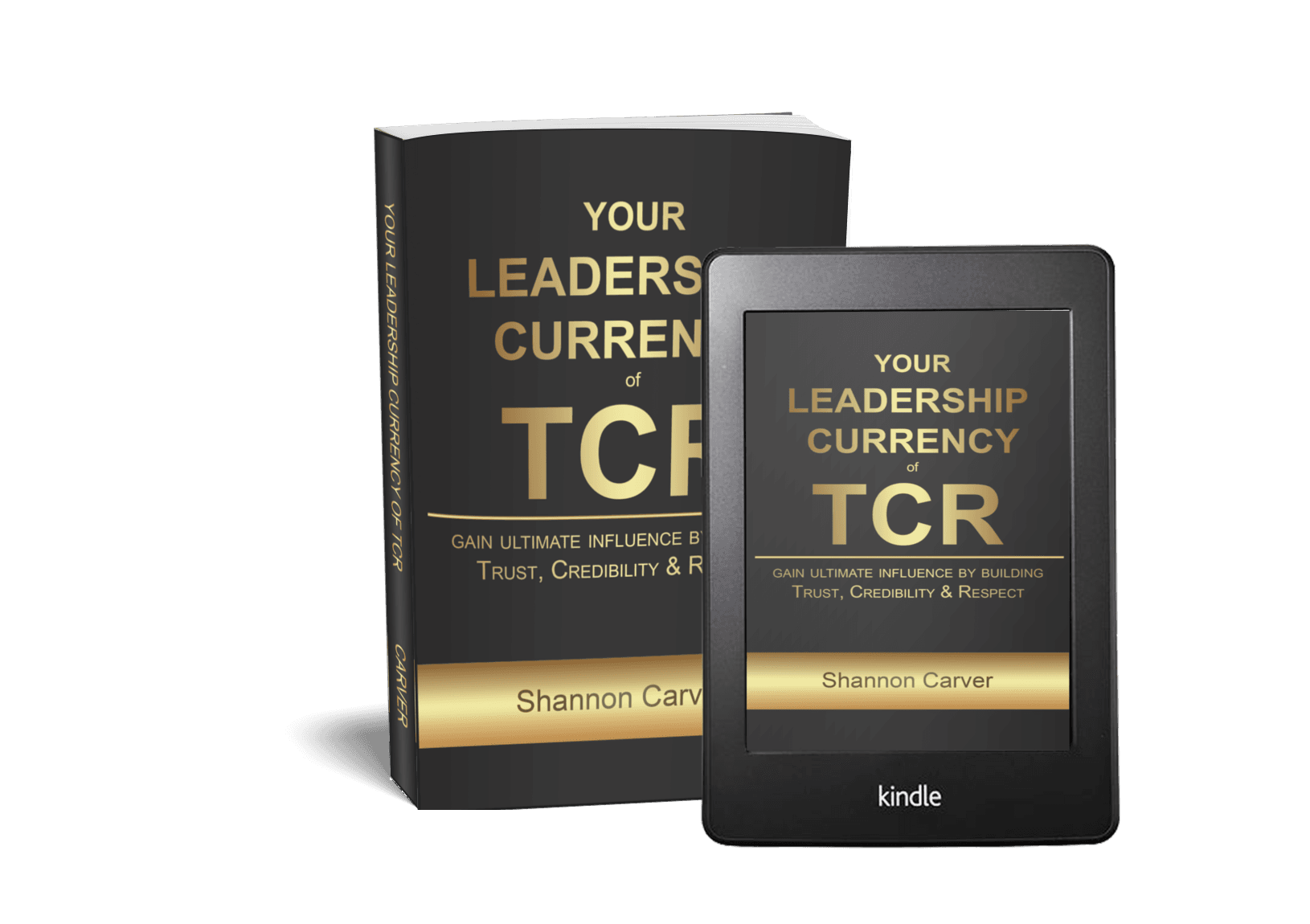
Shannon Carver’s Amazon #1 best seller lays out the full framework — how to gain ultimate influence by building Trust, Credibility, and Respect. It is the practitioner’s guide behind everything on this page.
Read It on AmazonPractical perspectives on putting Trust, Credibility, and Respect to work — from the daily habits that build them to how they drive authentic, high-performing leadership.
TCR
TCR is the currency of leadership. Trust, Credibility, and Respect are how the best leaders gain and keep influence.
Read More →
TCR
How trust, credibility, and respect reinforce each other — and what changes when a leader gets all three working at once.
Read More →
TCR
The TCR Mindset is how you make authentic leadership a daily practice instead of an aspiration.
Read More →
TCR
Four practices for building TCR: develop relevant expertise, address difficult issues, explain your reasoning and support the team—without relying on a title alone.
Read More →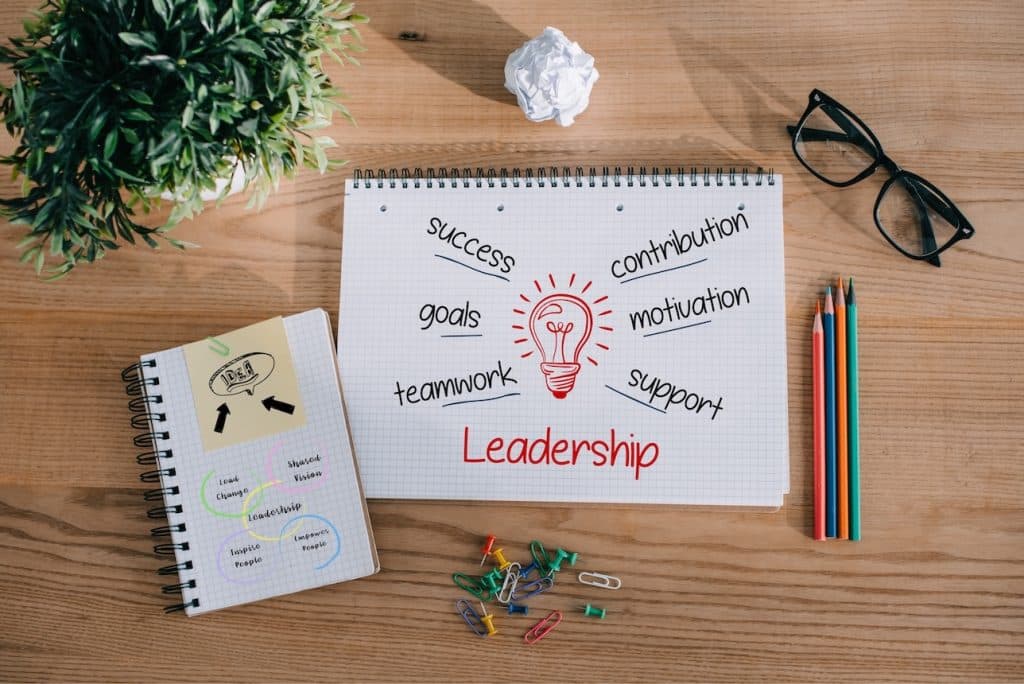
Leadership Development
Ten daily habits that define leaders who actually earn trust, credibility, and respect.
Read More →
Respect
How respect, listening and clear expectations fit team accountability, with a hypothetical missed-commitment conversation—not a promised performance result.
Read More →For one published team-level example, read Ramon's trust, credibility, and respect case. It describes a team charter, shared expectations, recognition, and difficult conversations—not a controlled test or a guaranteed outcome from TCR.
To understand how leadership behavior is examined and reinforced in an engagement, see the Discover, Plan, Execute, Evaluate approach.
The Execution Gap Diagnostic is a free, 5-minute self-assessment of how you experience execution on your team. Your personalized results highlight patterns in your answers and a starting point for reflection—not a verified diagnosis of your whole organization. No meeting required.
Book a working session with Shannon — no pitch, just a focused conversation about where your team is stuck.