Ramon's Team: Trust, Credibility and Respect
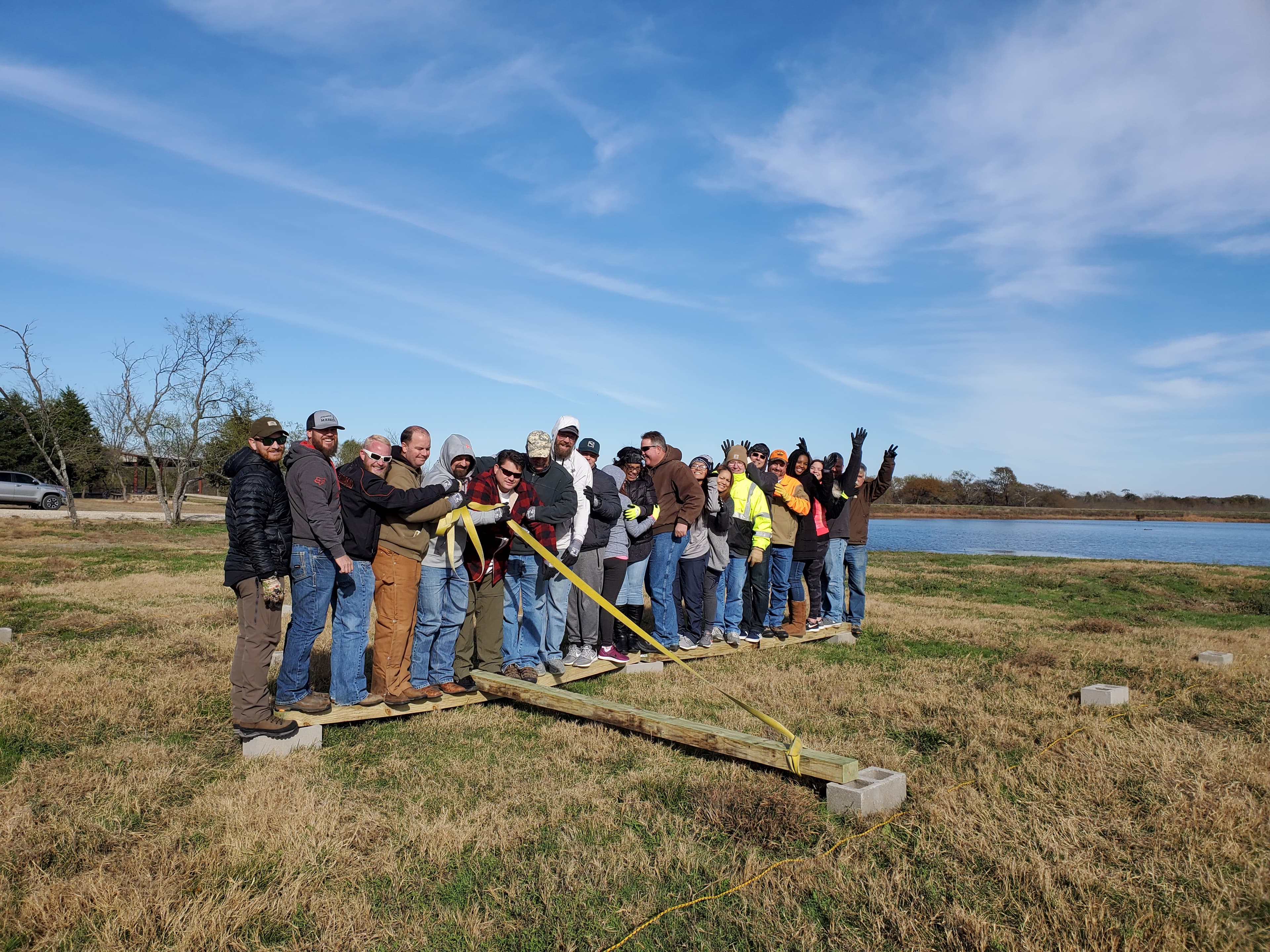
“They started giving TCR outside the team — that's when I knew it was working.”
The Challenge
Ramon led a cross-functional team that had historically functioned as two distinct groups — operations and support. Both groups were individually capable, but they had limited interaction, different priorities, and little shared accountability. The separation created inefficiencies, misalignment, and missed opportunities for collaboration.
Ramon had invested heavily in building strong individual relationships. He believed that was the key to effective leadership — and to a degree, it worked. Individually, team members trusted him. But as a team, something was missing. Collaboration was inconsistent. People respected Ramon, but didn't necessarily operate with the same level of trust and respect with each other.
Initially, Ramon approached the gap as a coordination problem — something better communication could solve. Over time, it became clear the issue was deeper. It was a systems problem: the absence of a shared team identity and operating model.
The Approach
The first decision was to stop treating the groups as separate teams. Ramon brought them together under a unified structure for key activities, discussions, and development work. This created the foundation for a different way of operating — and for the harder conversations that followed.
A team charter — built collaboratively, with the combined team — defined shared expectations, clarified roles, and established how the team would operate together. The charter quickly became more than a reference. It became a tool for accountability that team members used to challenge inconsistencies and reinforce standards. What had previously been unspoken assumptions became explicit agreements.
Ramon then introduced trust, credibility, and respect — TCR — as a team-level rhythm. At the start of meetings, he asked team members to recognize each other's contributions, specifically tied to TCR. It was unfamiliar at first. Over time it became a habit. And then something unexpected happened: the recognition didn't stay inside the team. Members began acknowledging colleagues across departments — TCR extending outside the team, of its own accord.
Ramon also worked on his own tendencies — particularly the avoidance of difficult conversations. By improving his ability to engage in those conversations and modeling the behavior, the team began to follow.
What Changed
- Two parallel groups began operating as one aligned team
- TCR existed not just vertically (leader to member), but horizontally (member to member)
- Members began extending TCR to colleagues outside the team — a leading indicator the system was holding
What had once felt like two separate teams began operating as one. Communication improved. Handoffs became smoother. Collaboration increased. More importantly, team members developed a stronger sense of ownership — not just for their individual work, but for the success of the team as a whole.
Trust, credibility, and respect existed not just between Ramon and his team members, but across the team itself. Conversations became more honest. Feedback was given more directly and received more constructively. What had previously required Ramon's intervention was increasingly handled within the team.
The realization that defined Ramon's experience was simple: building TCR with individuals creates good leadership; building TCR across a team creates a high-performing system. The shift from individual-relationship leadership to team-system leadership didn't just improve trust — it transformed how the team worked together.
If your organization is facing a similar challenge, we should talk.
The Execution Gap Diagnostic is a free, 5-minute self-assessment of how you experience execution on your team. Your personalized results highlight patterns in your answers and a starting point for reflection—not a verified diagnosis of your whole organization. No meeting required.