Daniel's Team-Driven Execution: 25% More Output
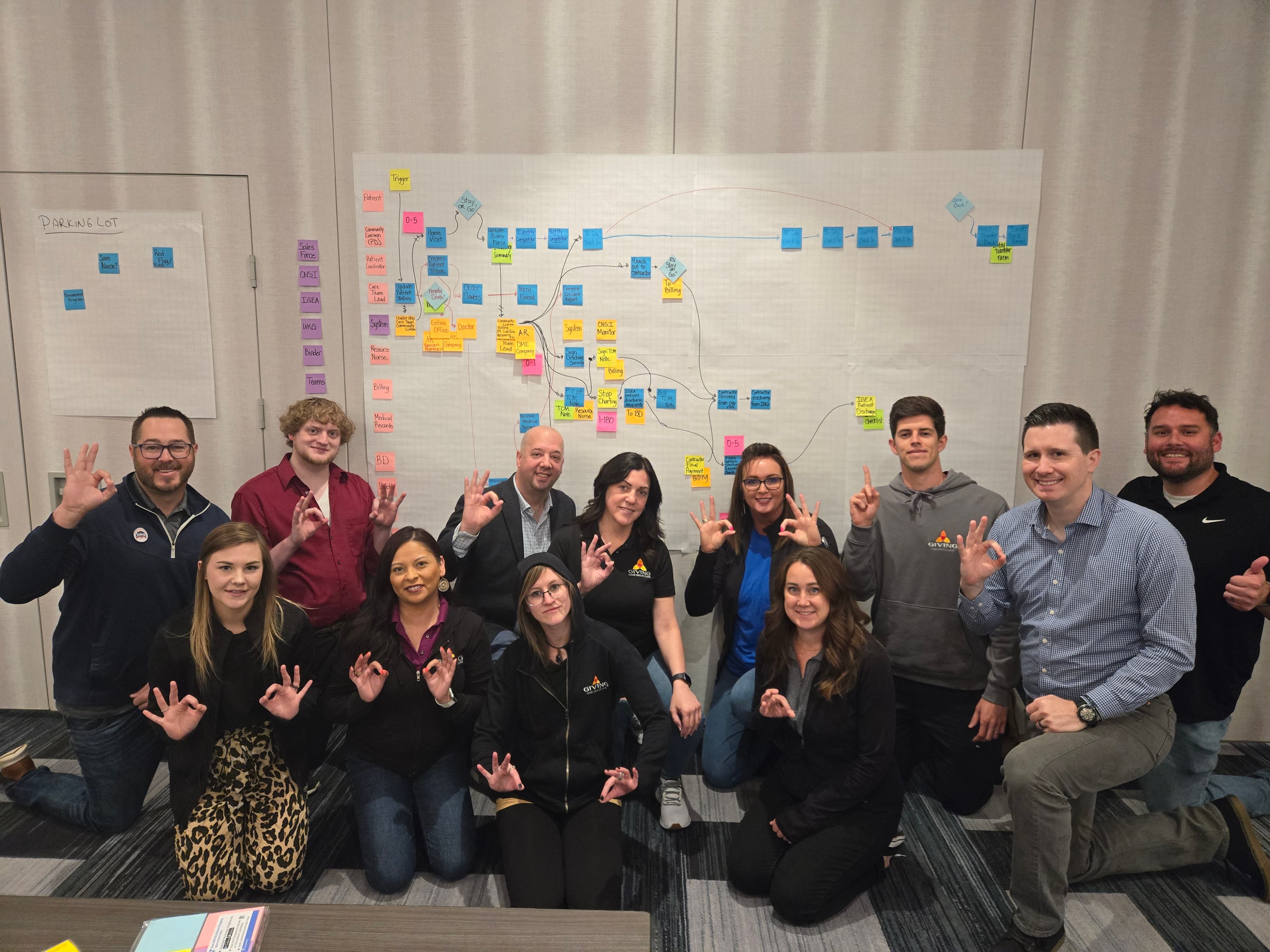
“In just a matter of weeks, our team increased output by roughly 25% — not by working harder, but by changing how we work together. Ownership shifted to the team, visibility improved, and people started holding each other accountable instead of relying on me.”
The Challenge
Daniel was a capable and committed leader, but like many leaders in fast-paced operations environments he had become the central hub for nearly everything. Decisions flowed through him. Problems were escalated to him. Progress was reported to him. While this approach gave him control, it also created a bottleneck.
His team operated largely in silos with limited visibility into each other's work. Individuals felt they were carrying a disproportionate load while questioning the contributions of others. Meetings reinforced the dynamic — they functioned as status updates directed back to Daniel rather than as forums for alignment and execution.
Accountability flowed upward instead of across the team. Ownership was uneven. Execution was slower than it needed to be. And Daniel, despite strong capability, was carrying more of the load than was sustainable.
The Approach
The work began by shifting the focus from managing individual performance to redesigning how the team functioned as a system. The most significant change was how accountability was structured: instead of team members reporting progress solely to Daniel, they began reporting to each other. The shift was subtle, but it created peer visibility — and with it, peer accountability.
That distinction—between developing one leader and changing the system around the team—is central to what a leadership consultant actually does.
At the same time, meetings were restructured. Ownership of key discussions and updates was distributed across team members. Structured problem-solving was introduced into the rhythm of the team. Rather than waiting for direction, individuals were expected to come prepared, present their thinking, and contribute to forward progress.
Daniel addressed the silos directly. Team members were encouraged to engage with each other and with cross-functional partners rather than routing communication and decisions through him. For Daniel personally, the shift was harder than expected — moving from primary decision-maker to facilitator meant resisting the instinct to immediately provide answers.
What Changed
- Roughly 25% output increase within 8 weeks — without added resources or longer hours
- Meetings became team-driven execution sessions, not status updates back to the leader
- Silos diminished; team members engaged stakeholders directly
Within eight weeks, the team experienced roughly a 25% increase in output. The improvement was not driven by additional resources or longer hours — it came from better alignment, clearer accountability, and more effective collaboration. Daniel's workload became more manageable as the team took greater ownership of both problems and solutions.
Just as important were the behavioral changes. Team members began coming to meetings prepared, with clear updates and proposed solutions rather than open-ended problems. Visibility eliminated assumptions that had previously undermined trust. What had once functioned as separate groups began operating as a more unified team.
The most lasting outcome was a shift in how leadership itself was understood. The work moved from managing individuals to enabling a system where the team could perform consistently and independently — a result that was more scalable, more sustainable, and more aligned than what came before.
Buyer case-reading note (AI-assisted editorial): This page presents one client account in a manufacturing operations context. It does not establish an average return, independent audit or a result another team should expect. When discussing fit, compare the starting problem, participating roles and work routines with your own situation. Prefer to start in writing? Send a non-confidential inquiry with one recurring decision or handoff and the question you want to examine. Leave private employee and customer details out; an inquiry does not book a meeting or commit you to an engagement.
If your organization is facing a similar challenge, we should talk.
The Execution Gap Diagnostic is a free, 5-minute self-assessment of how you experience execution on your team. Your personalized results highlight patterns in your answers and a starting point for reflection—not a verified diagnosis of your whole organization. No meeting required.